
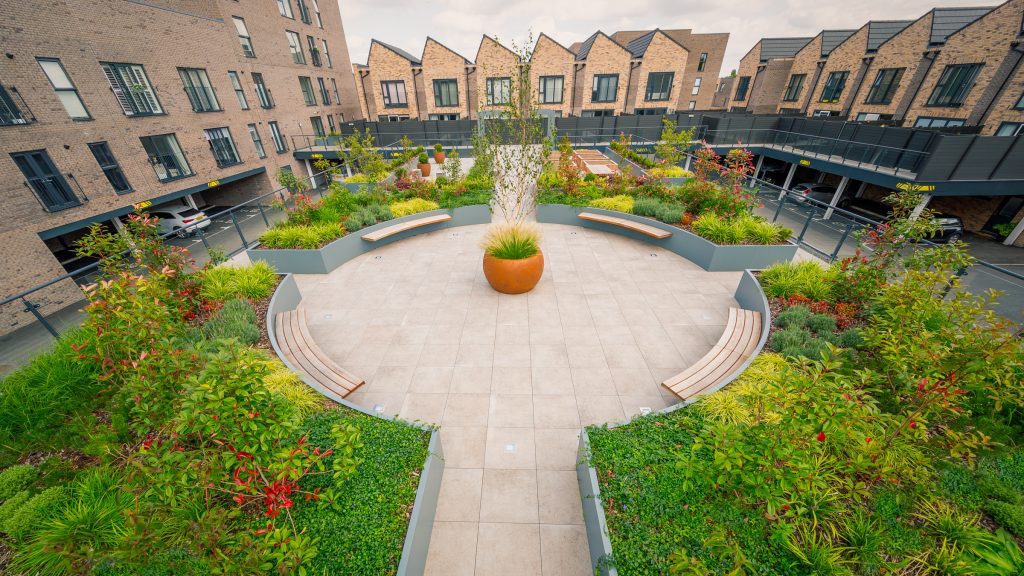
Beyond First Cost: Why GRP Planters Outperform Traditional Materials
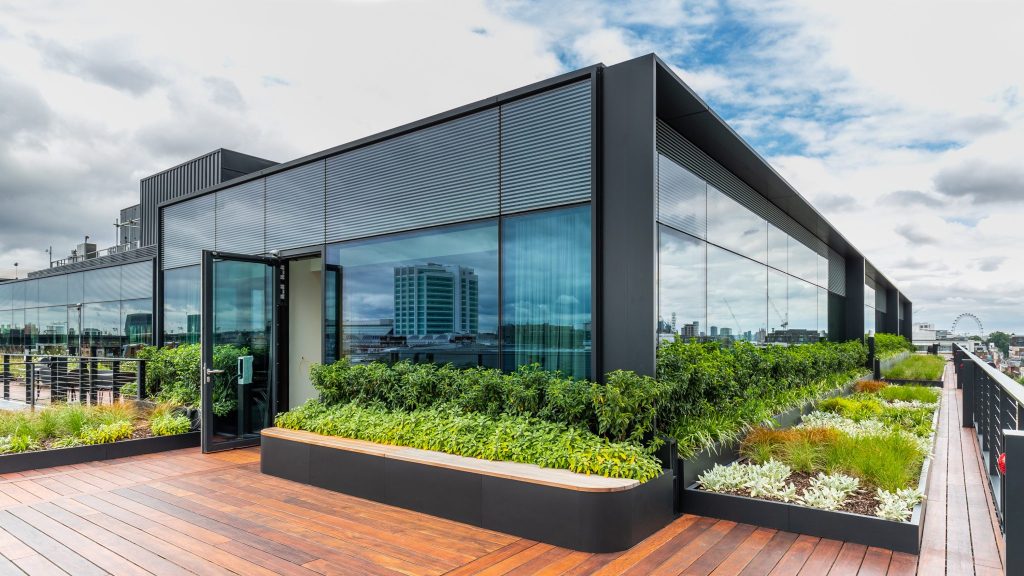
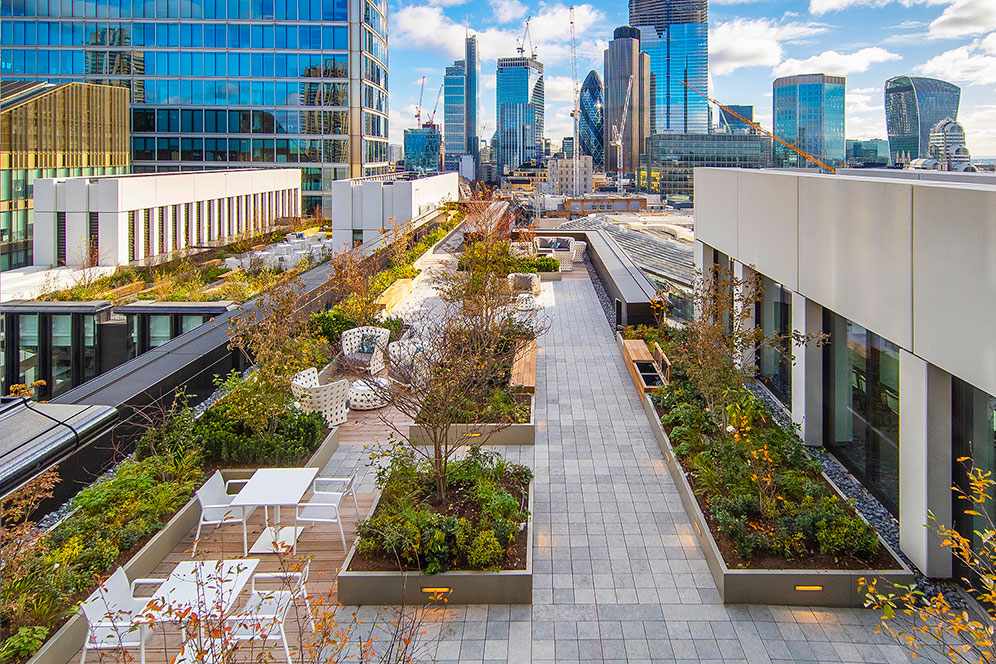
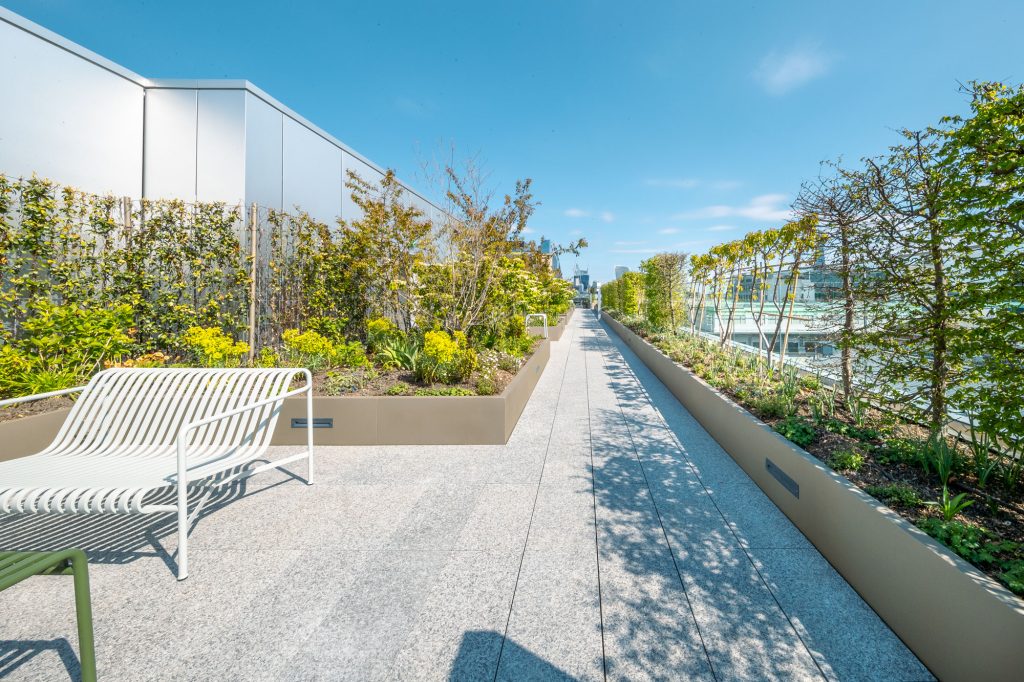
Rethinking “Value” in Material Specification
Every project begins with a critical decision: selecting materials that balance performance, cost and sustainability. For decades, the default choices for planters and built landscape elements have been concrete, steel, timber and stone. These materials are familiar, widely specified and embedded in construction standards.
However, initial purchase cost rarely reflects long-term value. Materials that appear economical at tender stage often become expensive liabilities once maintenance, repair, downtime and replacement are considered.
A steel planter is often the same price, occasionally, cheaper than GRP on day one, but after decades of recoating, corrosion repairs and operational disruption, it frequently becomes the most expensive option. Timber may be inexpensive and renewable, but once treatment, replacement and disposal are factored in, both its cost advantage and sustainability credentials diminish.
This is why Glass Reinforced Plastic (GRP) deserves greater consideration. Often perceived as “expensive,” GRP is in fact one of the most cost-effective and environmentally responsible planter materials when assessed over a full design life.
Timber: Low Entry Cost, High Lifecycle Risk
Timber is widely used due to its availability, ease of fabrication and renewable origins. However, its limitations are well documented. In external and exposed environments, timber is vulnerable to rot, moisture ingress and fire.
To achieve reasonable service life, timber typically requires chemical preservatives, coatings and ongoing maintenance. These interventions increase cost and undermine environmental benefits. Repeated treatment cycles and early replacement often make timber a poor performer in whole-life cost terms.
GRP comparison:
GRP does not rot, requires no chemical treatment and can maintain structural and aesthetic performance for 50 years or more.
Brick: Durable, but Labour and Weight Intensive
Brick construction is synonymous with durability and visual quality, particularly in residential and heritage contexts. However, brick planters and raised beds are heavy, labour-intensive and costly to transport. Over time, mortar joints deteriorate, leading to repointing and repair.
When labour, repair and embodied energy are accounted for, lifetime costs rise significantly.
GRP alternative
GRP can replicate brick finishes convincingly, while offering a lighter, faster-to-install solution with lower structural loads and reduced whole-life cost.
Concrete: Structural Strength with Hidden Costs
Concrete remains a cornerstone of modern construction due to its compressive strength and versatility. Yet it carries substantial environmental and durability challenges. Cement production is one of the most carbon-intensive industrial processes globally, and reinforced concrete elements frequently fail prematurely due to corrosion of embedded steel.
Concrete planters are heavy, costly to transport and difficult to repair once deterioration begins. Repairs are often disruptive.
GRP alternative:
GRP with a concrete-effect finish provides a corrosion-resistant, non-magnetic and lightweight solution. While GRP may cost more initially, its significantly longer service life and minimal maintenance make it more economical over time.
Steel: Strong but Maintenance-Dependent
Steel offers high strength and design flexibility, but corrosion remains its primary weakness—particularly in marine, urban or chemically aggressive environments. Galvanising and protective coatings slow deterioration but do not eliminate it.
Each maintenance cycle adds cost, carbon and disruption to building operations. Over a 50-year design life, these cumulative costs are substantial.
GRP advantage:
GRP does not rust, requires no galvanising or cathodic protection and remains maintenance-free for decades. Although the upfront cost may be higher, the absence of ongoing maintenance typically makes GRP cheaper over the full lifecycle.
Stone: Prestigious but Resource-Intensive
Natural stone offers exceptional durability, fire resistance and aesthetic appeal. However, quarrying, processing and transport are energy-intensive and expensive, while installation requires skilled labour.
Stone remains appropriate for prestige projects, but GRP can replicate stone finishes accurately while being significantly lighter, easier to install and more cost-efficient—reducing programme time, transport impact and structural demand.
GRP: Designed for Long-Term Performance
Glass Reinforced Plastic is often regarded as a specialist or premium material, yet this perception overlooks its core benefit: whole-life efficiency.
GRP is a composite of glass fibres within a resin matrix, producing a material that is lightweight, structurally robust and highly resistant to corrosion, chemicals and UV degradation.
Key performance advantages:
Up to 75% less energy required to manufacture than steel
Approximately 70% lighter, reducing transport emissions and structural load
Chemically stable in service, requiring no coatings or treatments
Non-conductive and available with Class 2 and Class 1 fire-rated resins
Safer handling and installation due to reduced weight
Most importantly, GRP delivers longevity. With a service life exceeding 50 years, it eliminates the repair and replacement cycles that make cheaper materials expensive over time. Lifecycle assessments consistently show 40–60% cost savings compared to steel or timber when evaluated across a full design life.
The Definition of Value
It must therefore be considered, if you are responsible for long-term performance, that value is not defined by the lowest initial cost. It is defined by durability, reliability, sustainability and reduced risk over decades.
When assessed on whole-life performance, GRP planters are not the expensive option. They are the most rational one.
share us on…